Background
Confirmation Bias
Mental Model Stagnation
Speed over Quality

Problem
Urgency
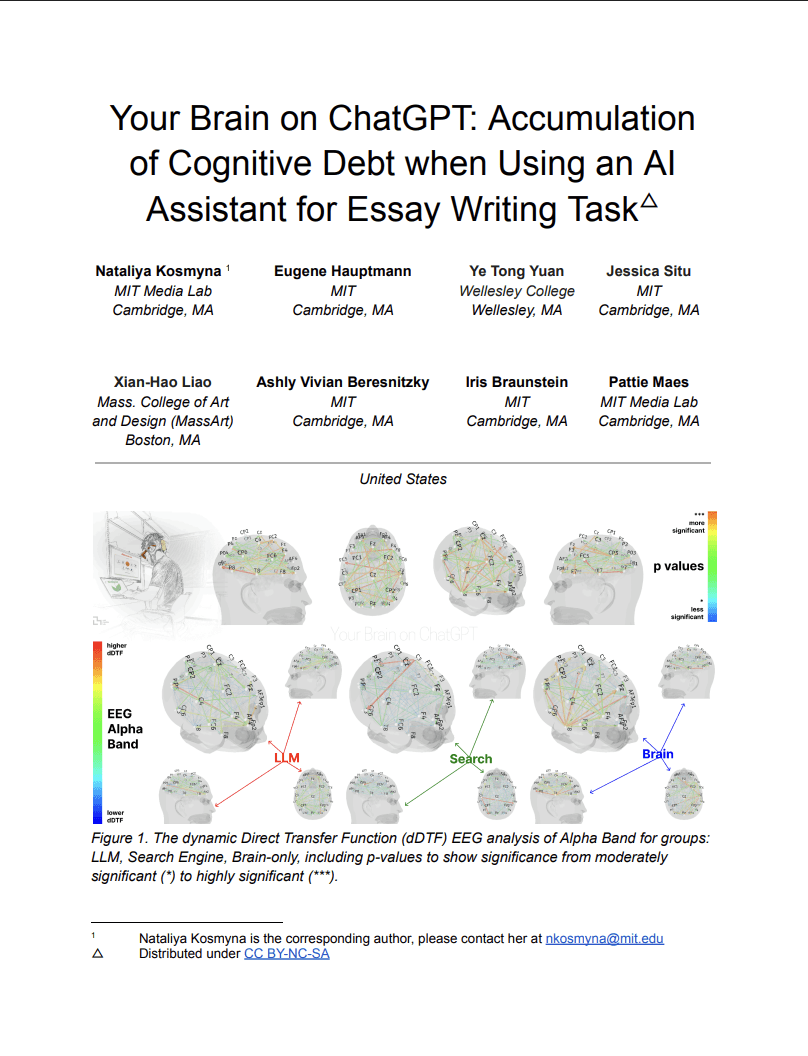
Data Bias
On Critical
Thinking
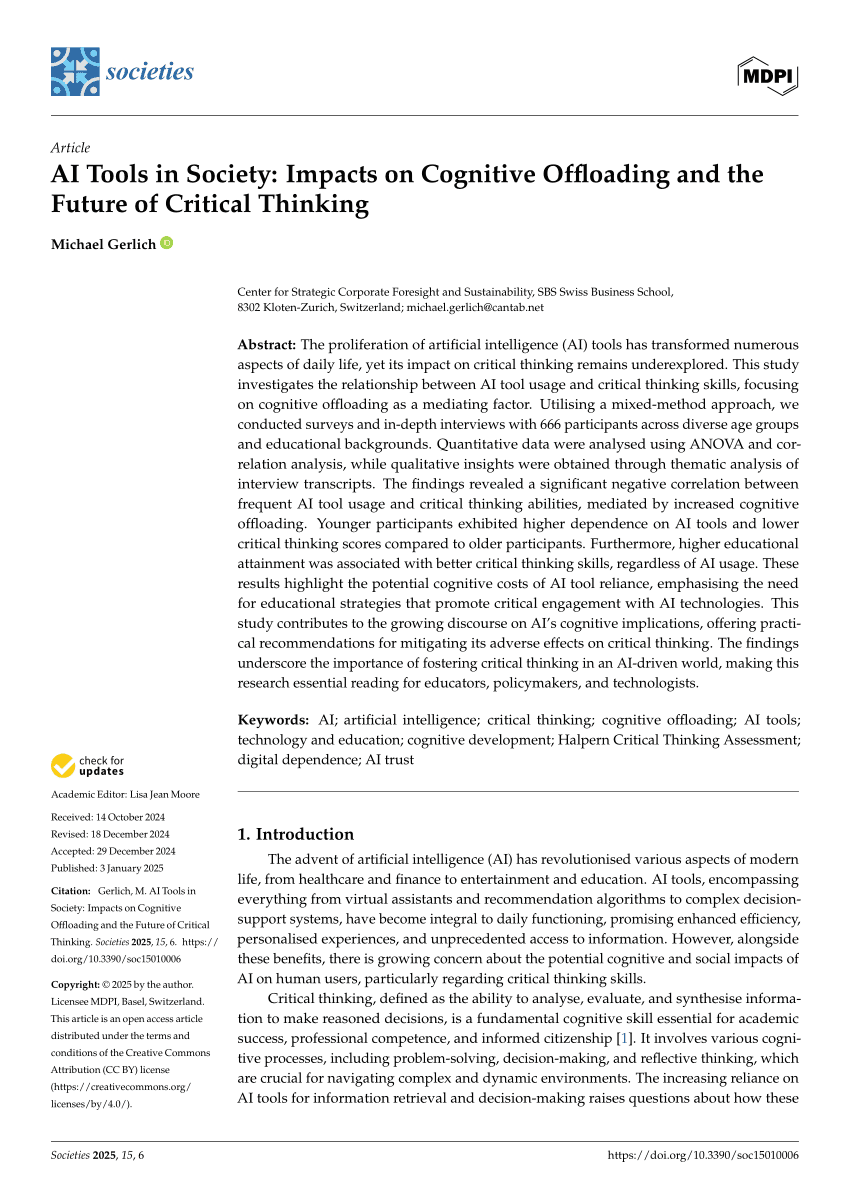
Gerlich, Michael. 2025. "AI Tools in Society: Impacts on Cognitive Offloading and the Future of Critical Thinking" Societies 15, no. 1: 6. https://doi.org/10.3390/soc15010006
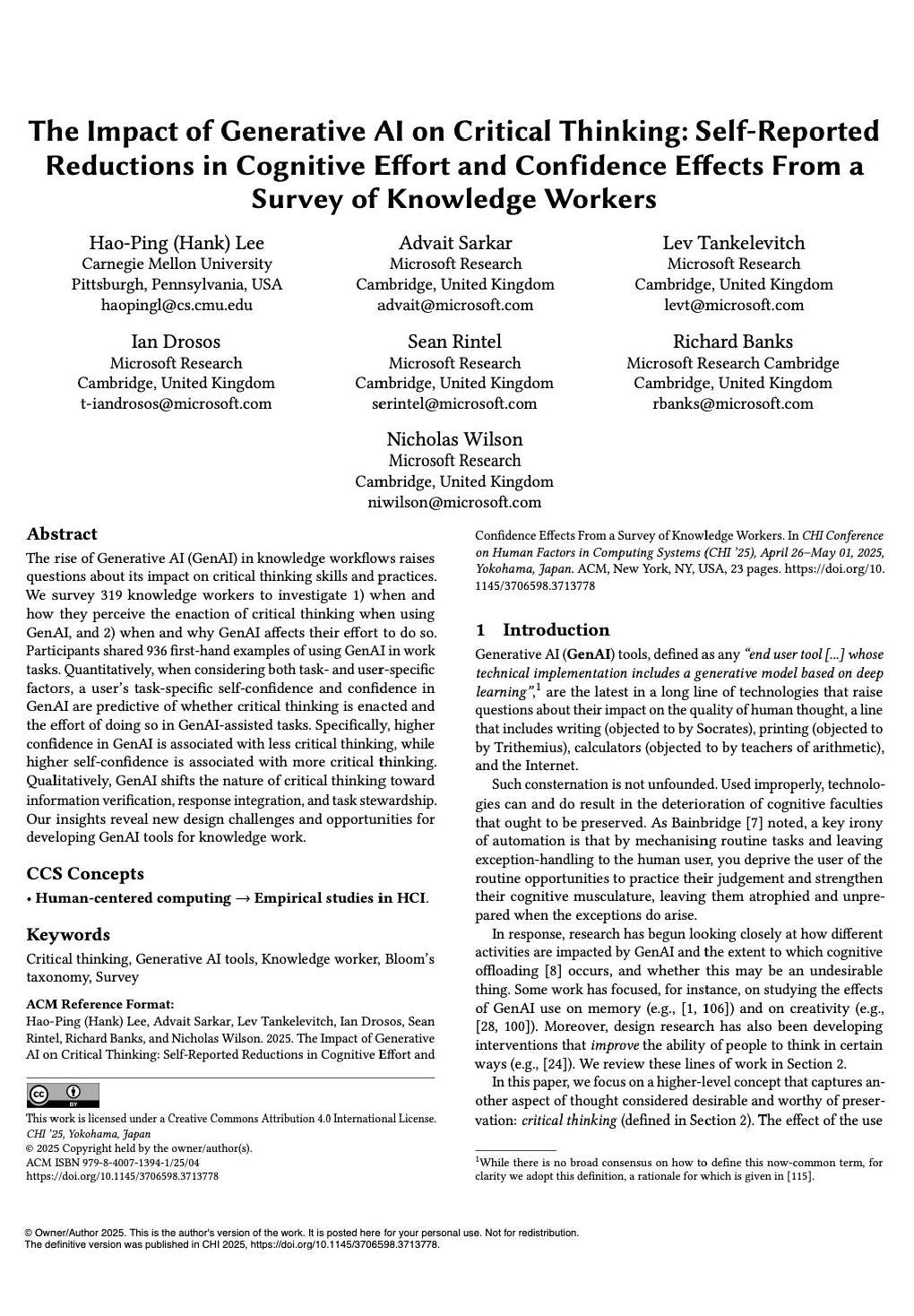
Facione, Peter. (1989). Critical Thinking: A Statement of Expert Consensus for Purposes of Educational Assessment and Instruction. Research Findings and Recommendations. 315.
Explorative Research
Literature Review
Data Analysis
Behavioral Analysis
Evaluative Research
Comparative Testing
Assessment Testing
EEG + Eyetracking
I narrowed down the use case focus to tasks within "seeking information", where users form mental models for complex questions that rarely have one right answer.
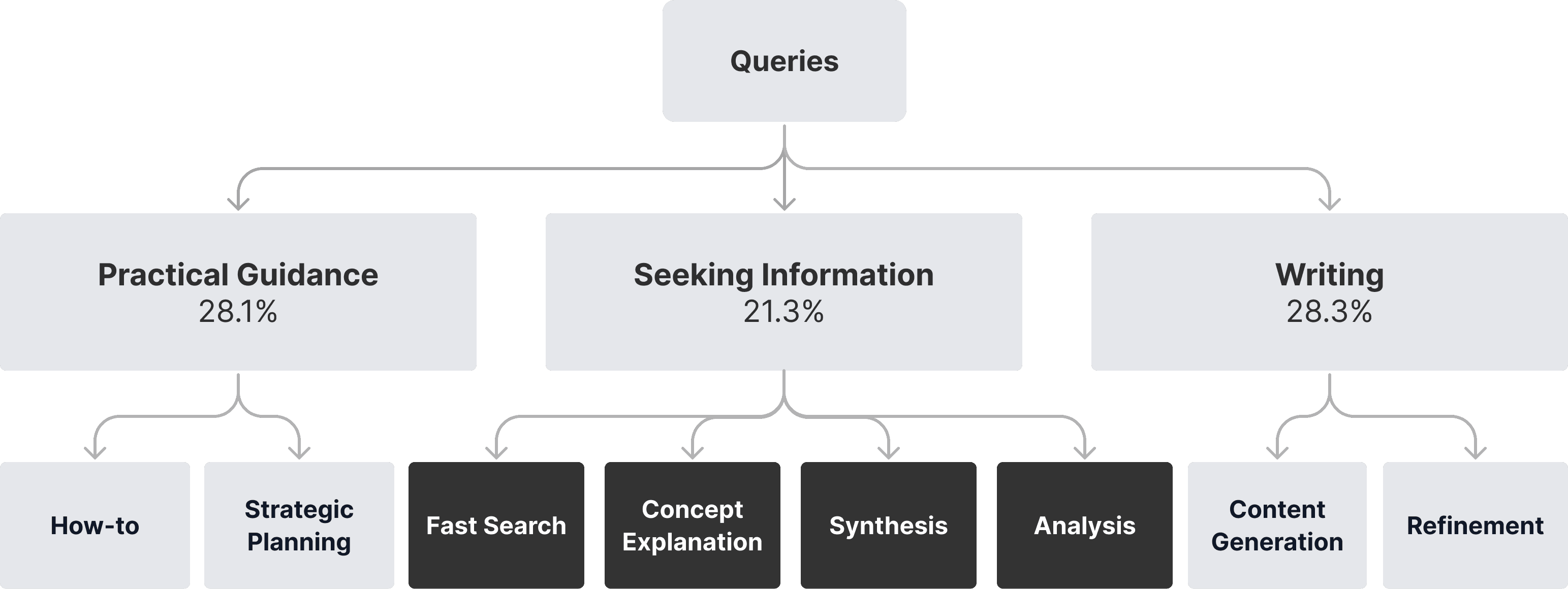
Selective Bias
Users tend to focus on results that expand on their narratives while ignoring the subtle callouts of assumptions and biases.
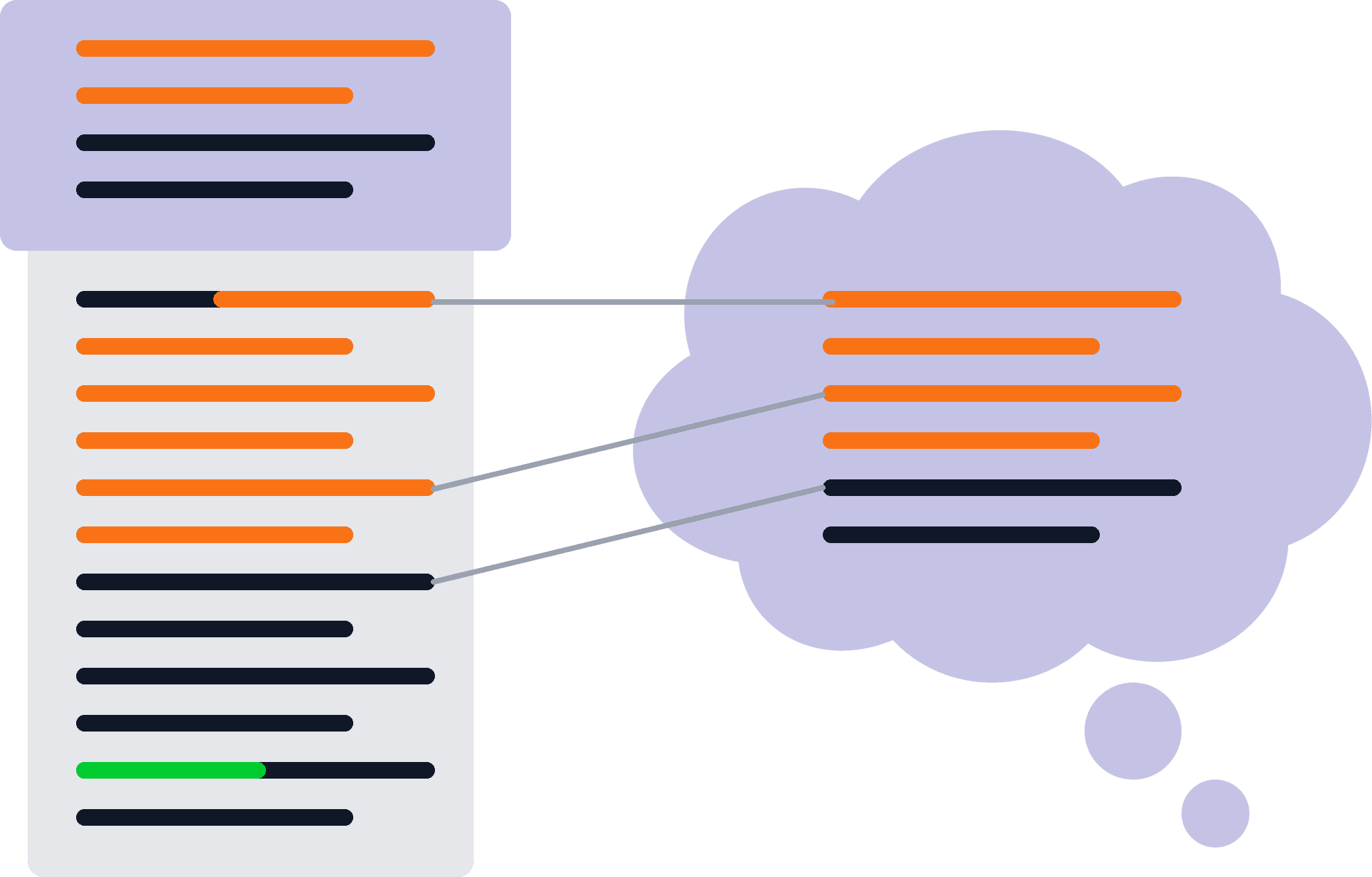
Lost in Iterations
The existing text-heavy format does not offer visual hierarchy, which result in users frequently losing track of key information.
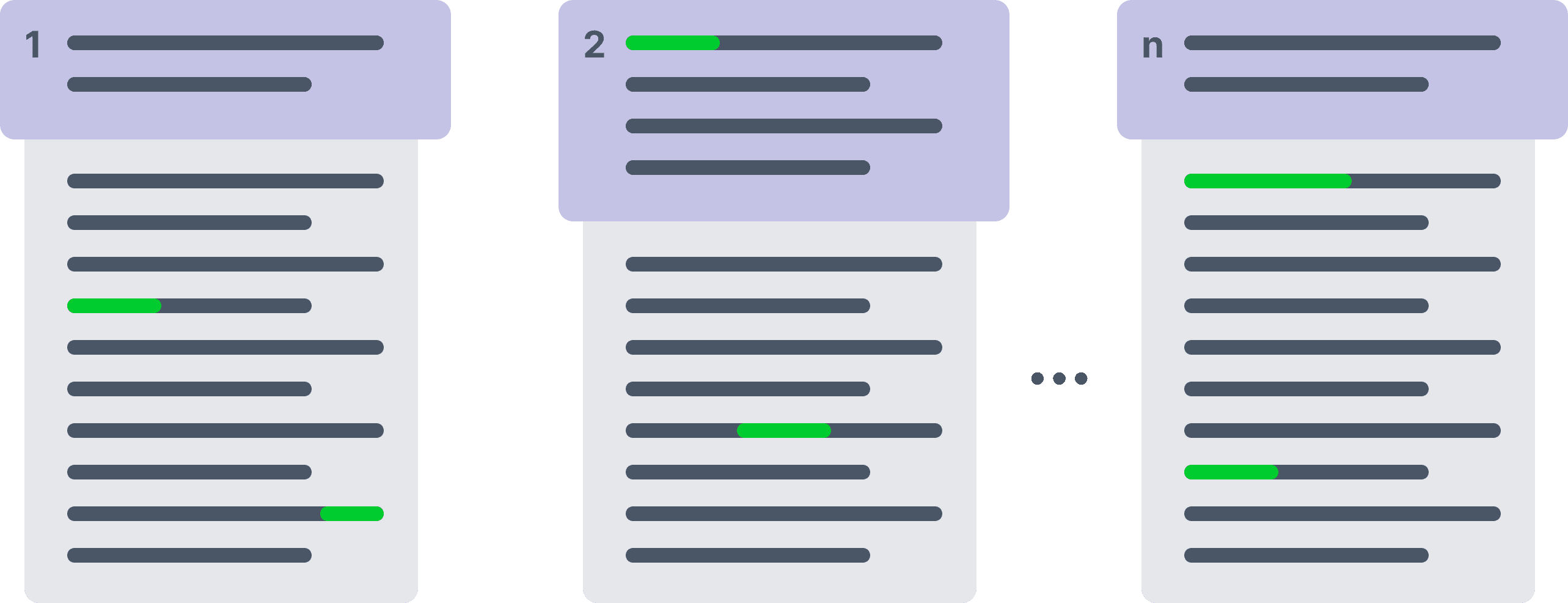
Callouts Too Subtle
Little Information Hierarchy
Monotonous Text Format
Feature Proposal

+

Given the limited timeframe for this study, it was imperative to prototype and test fast, so that I may iterate on the design. I used cursor and OpenAI API to create the first version of the critical chatbot to test the features.
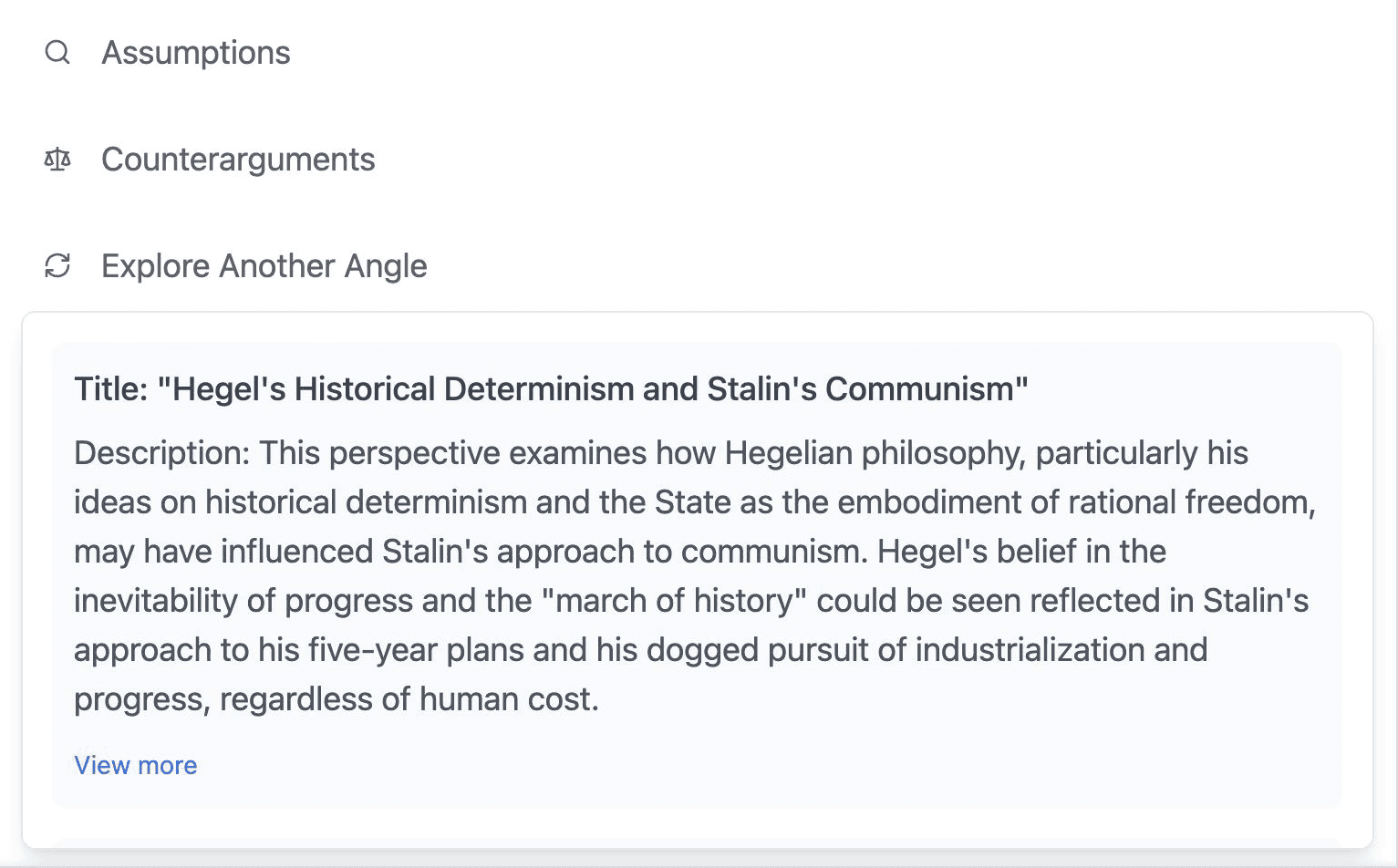
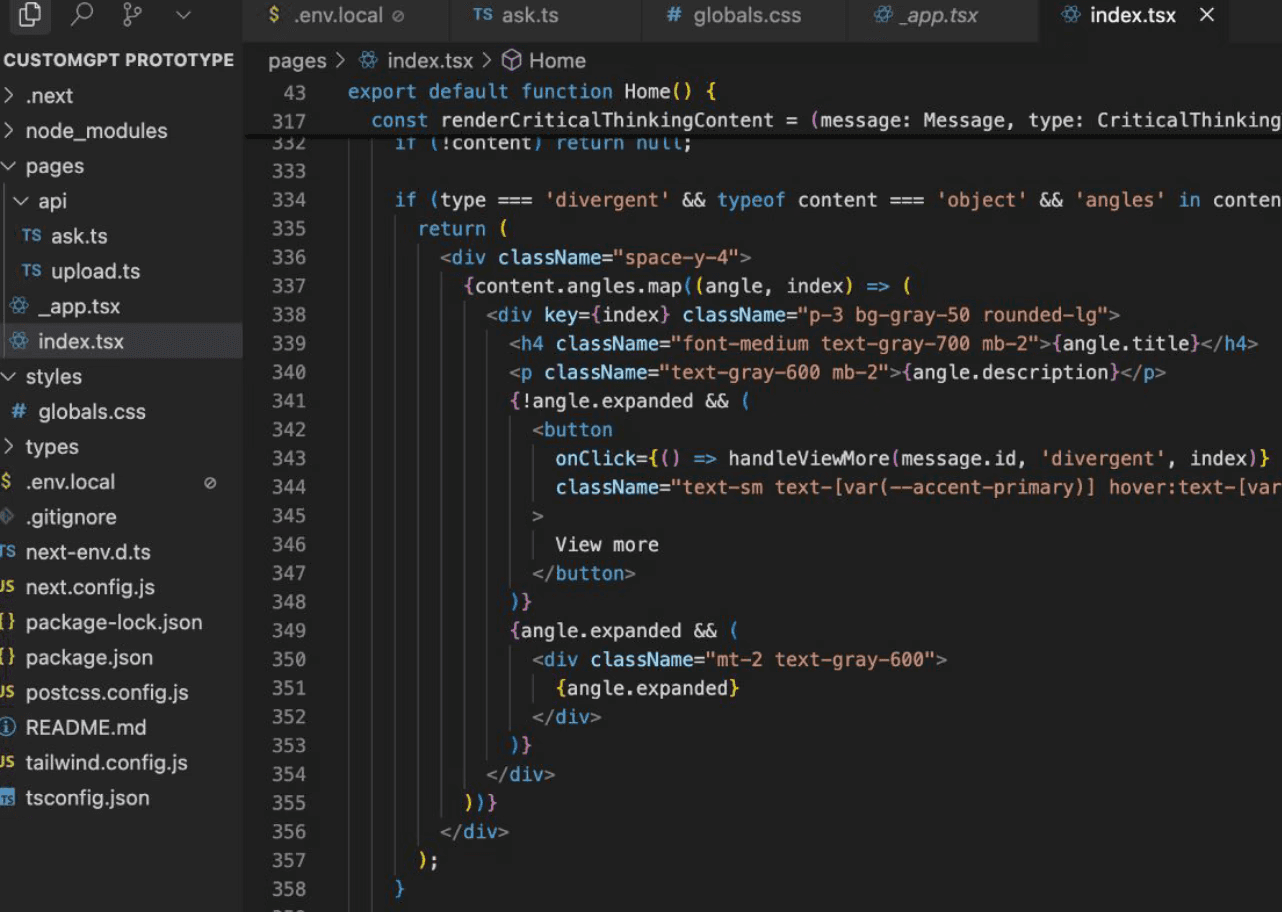
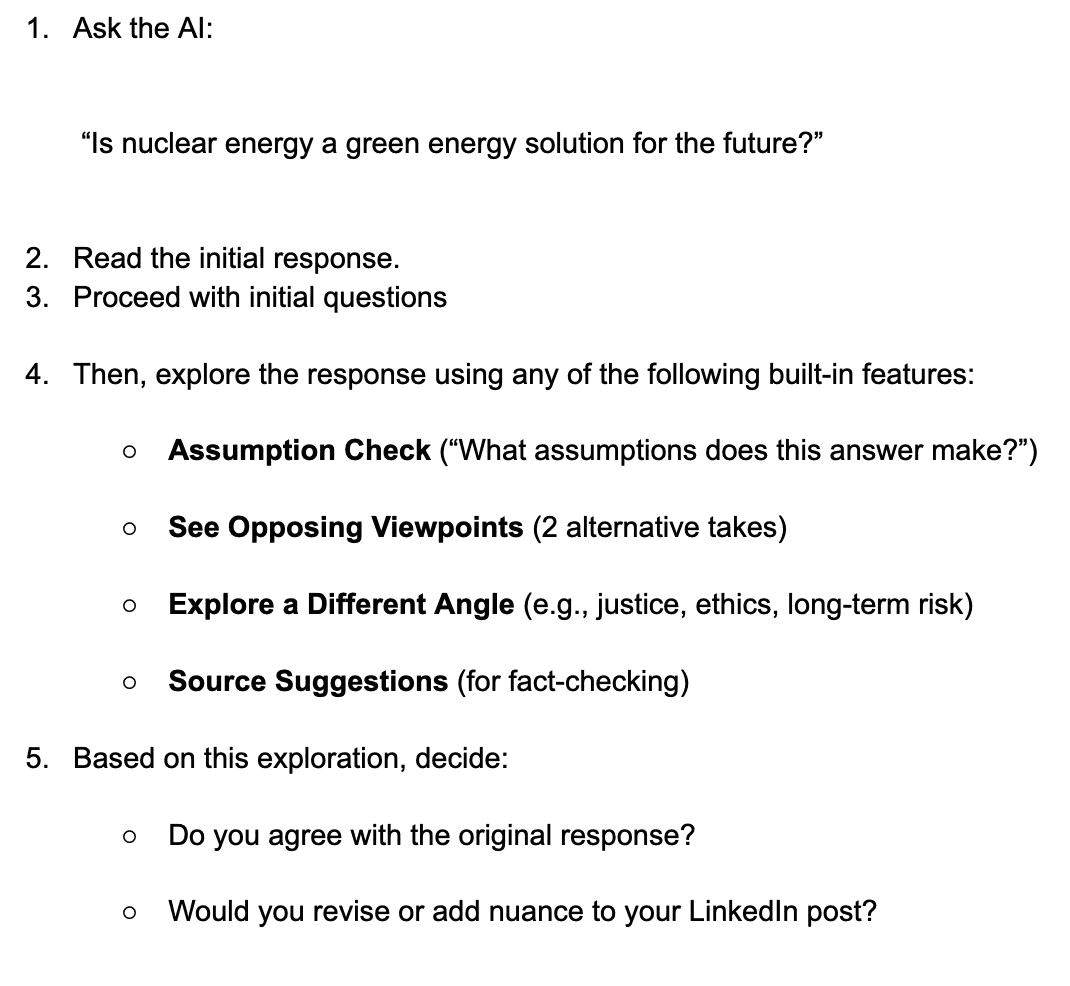
A group of test subject is selected (n=15) to research and write on an unfamiliar subject in 2 attempts, one with the default gen-AI setup, the other with the critical chatbot prototype with critical-thinking features.
Scenario
You're writing a short opinion post on LinkedIn for Earth Day. You want to comment on nuclear energy as a sustainable energy source.
You're turning to this AI tool for a quick answer or position summary to help shape your post.
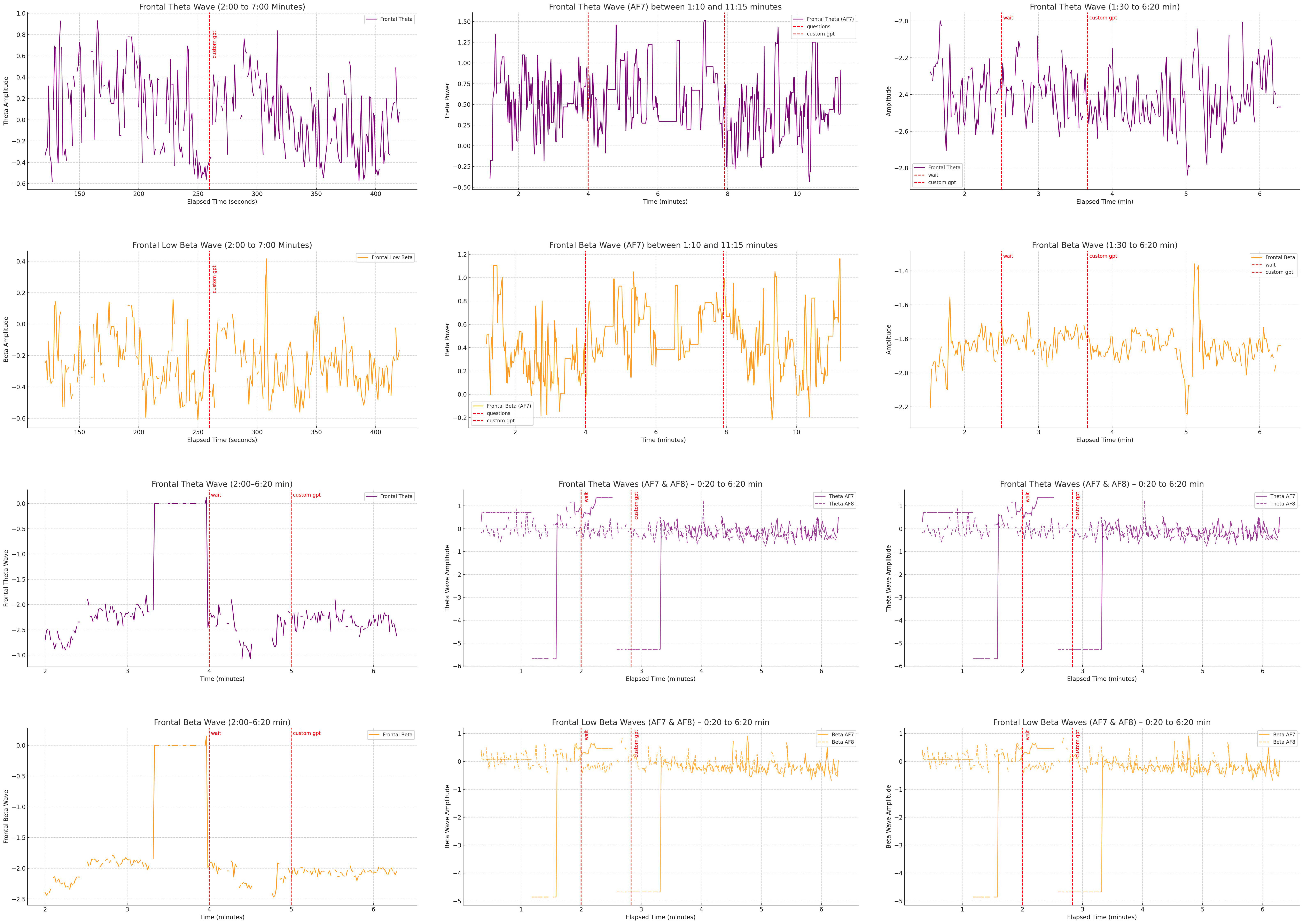
EEG measured electrical activity of the user's brain during their task performance. The results highlighted an increase in the Beta waves when users interacted with the critical thinking features among many users. As beta brain waves measure active cognitive process, this validates my hypothesis that design intervention can indeed improve cognitive engagement during gen-AI use.
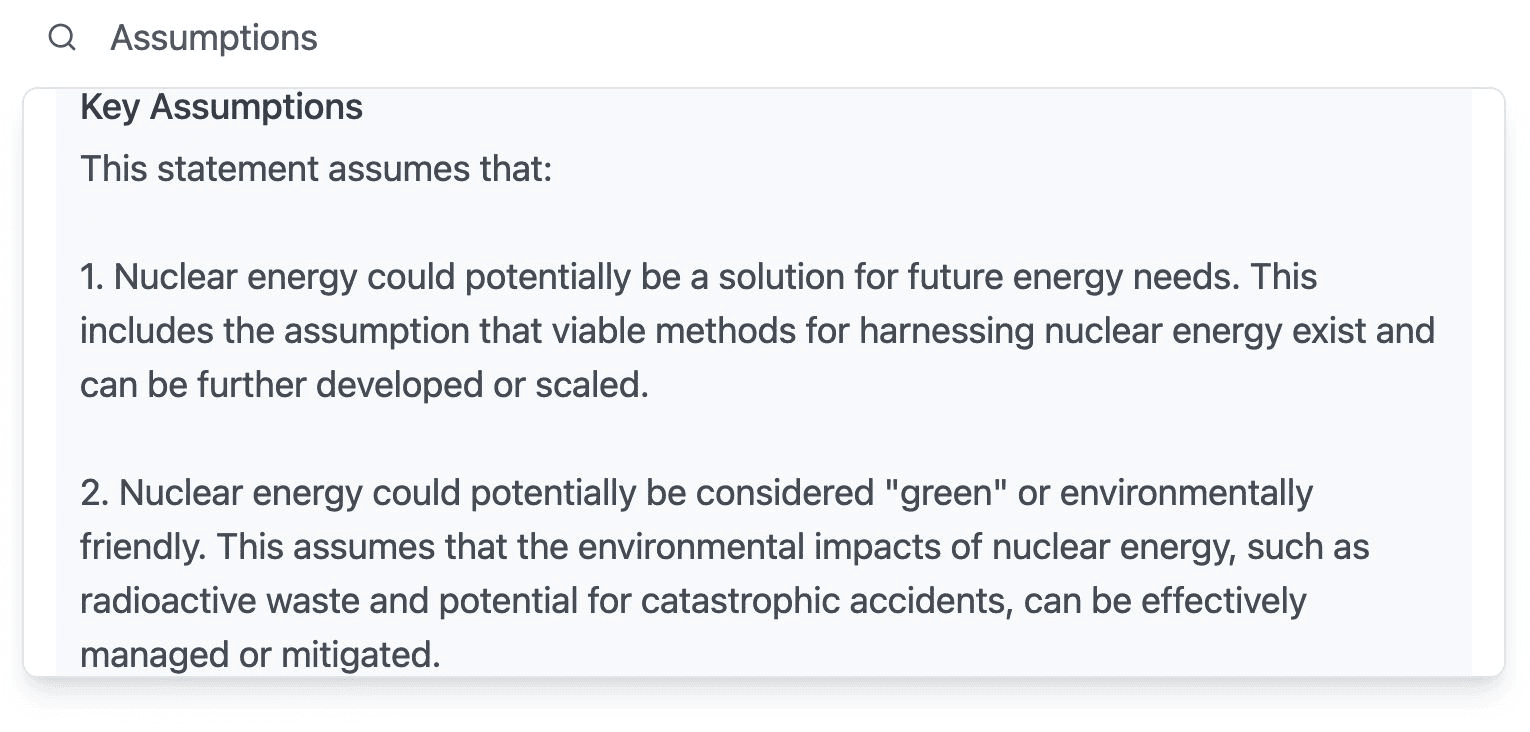
Multiple users spontaneously called the assumption feature the most helpful:
Helped them surface implicit biases
Clarified definitions of key terms
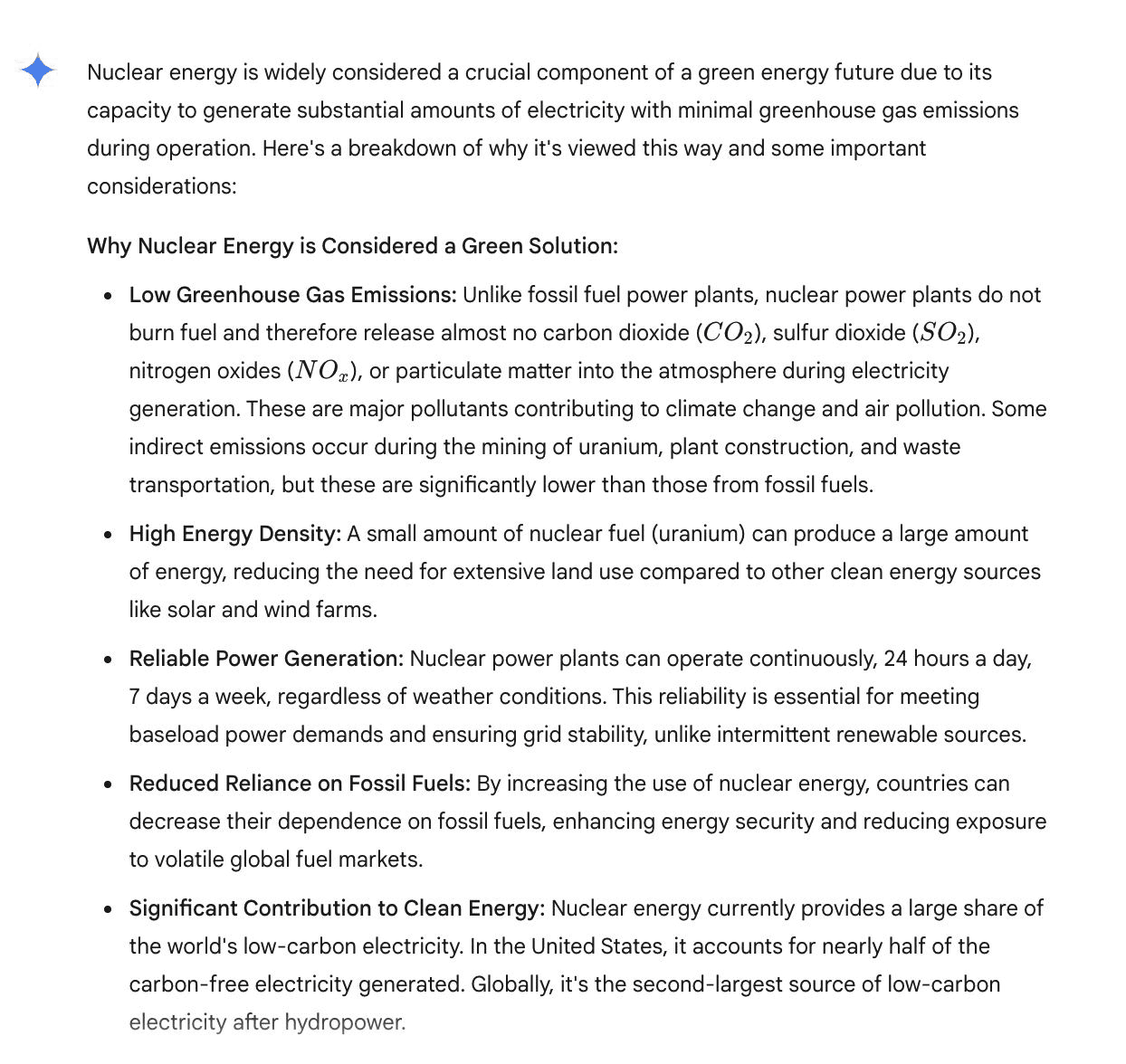
Users criticized standard AI responses for being:
Surface-level summaries (unless prompted additionally)
Not surprising or challenging
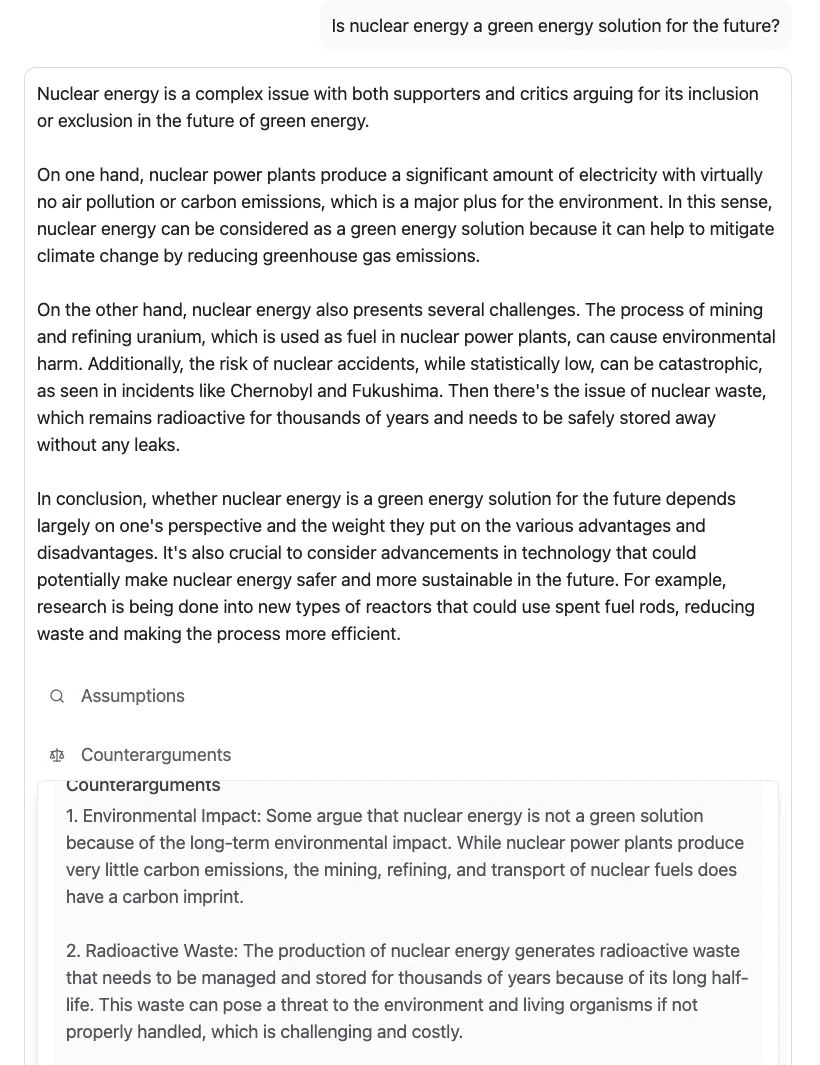
Many users felt the custom interface had too much reading:
Too much text causes cognitive overload, which induces the skimming behavior that overlook key information
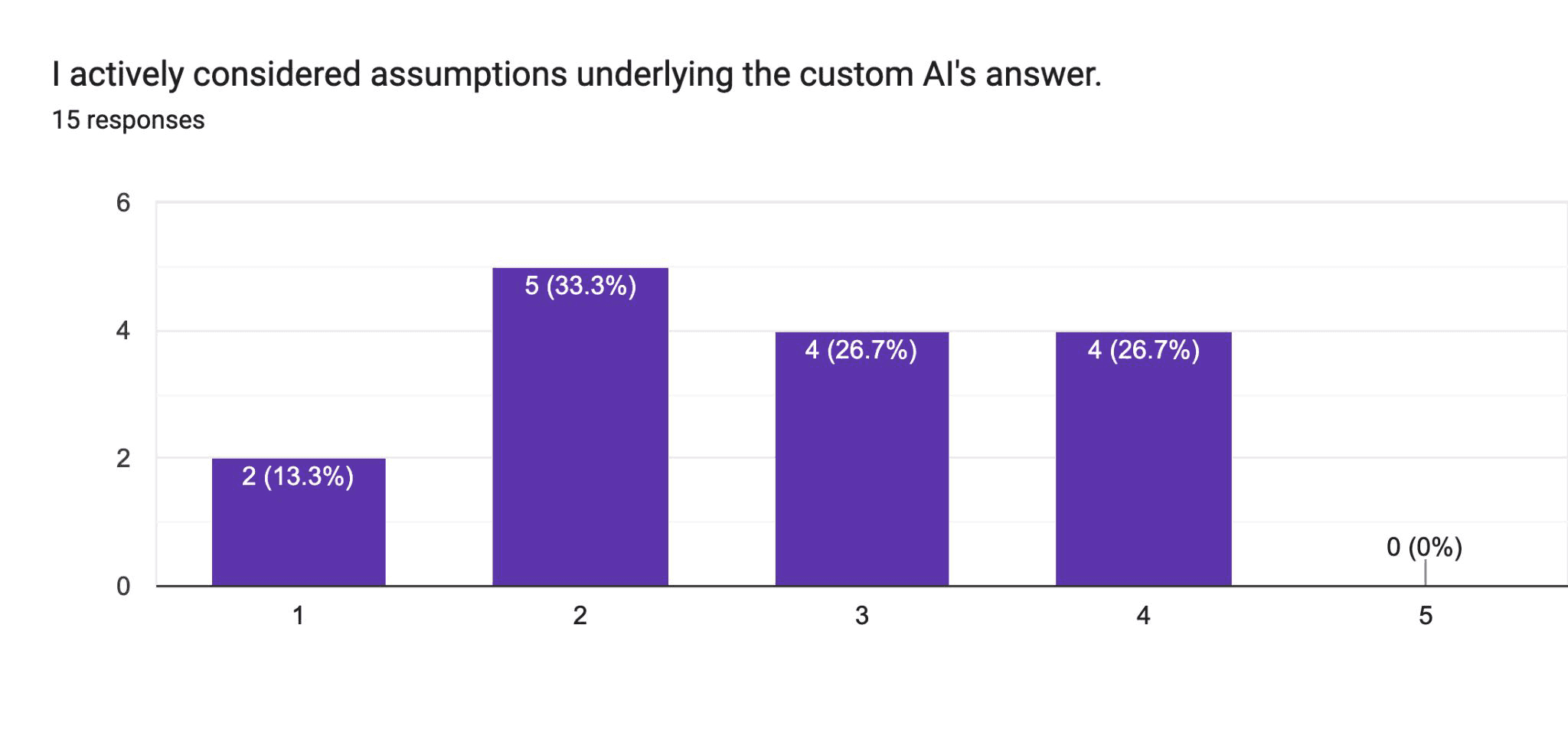
Users are not always engaged with the assumption callout feature despite its reported value for some users.
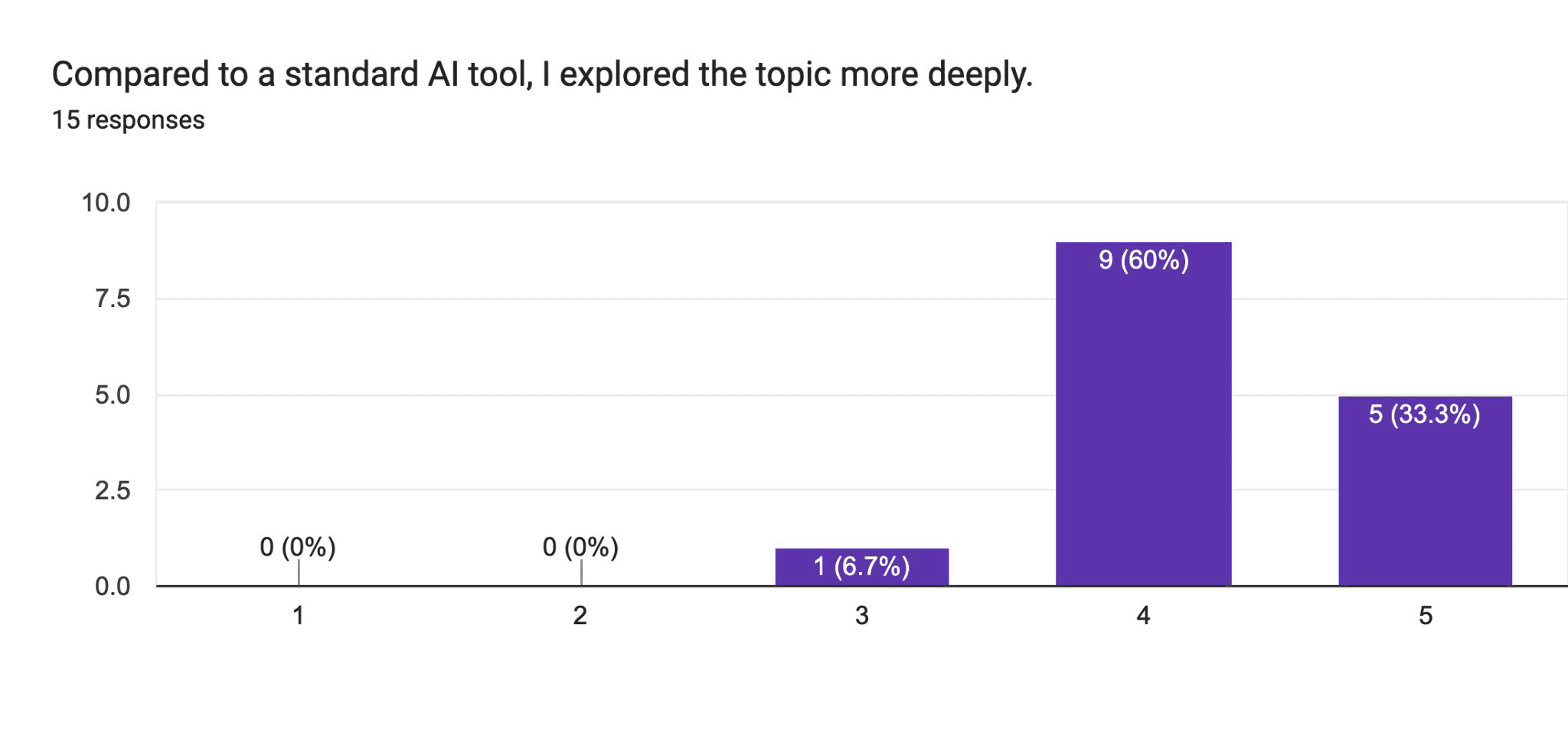
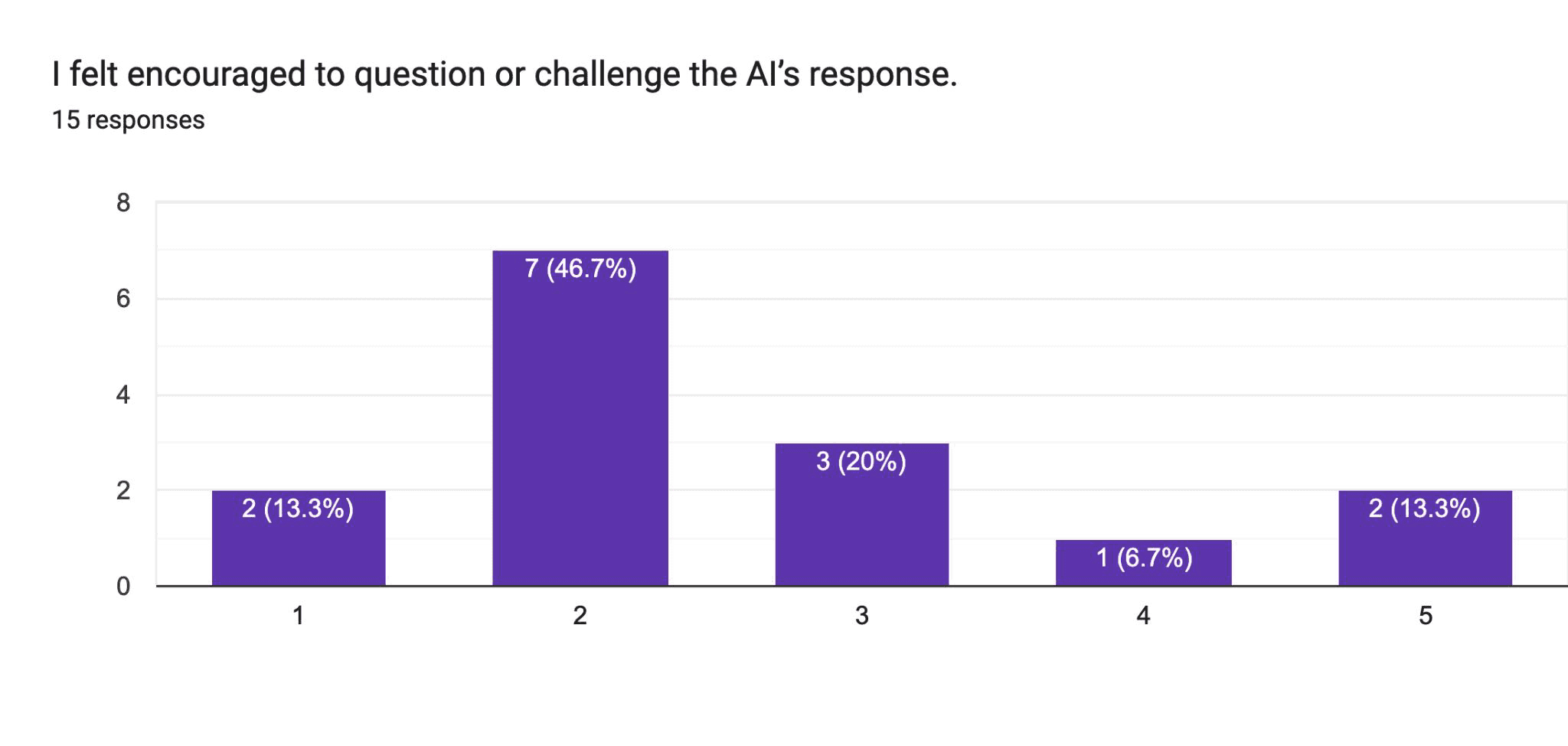
Most users reported high critical thinking engagement with AI's answer with custom chatbot's features.
Offers a high-level overview of caregiving, equipping them with guiding and reflective questions around 5 key areas
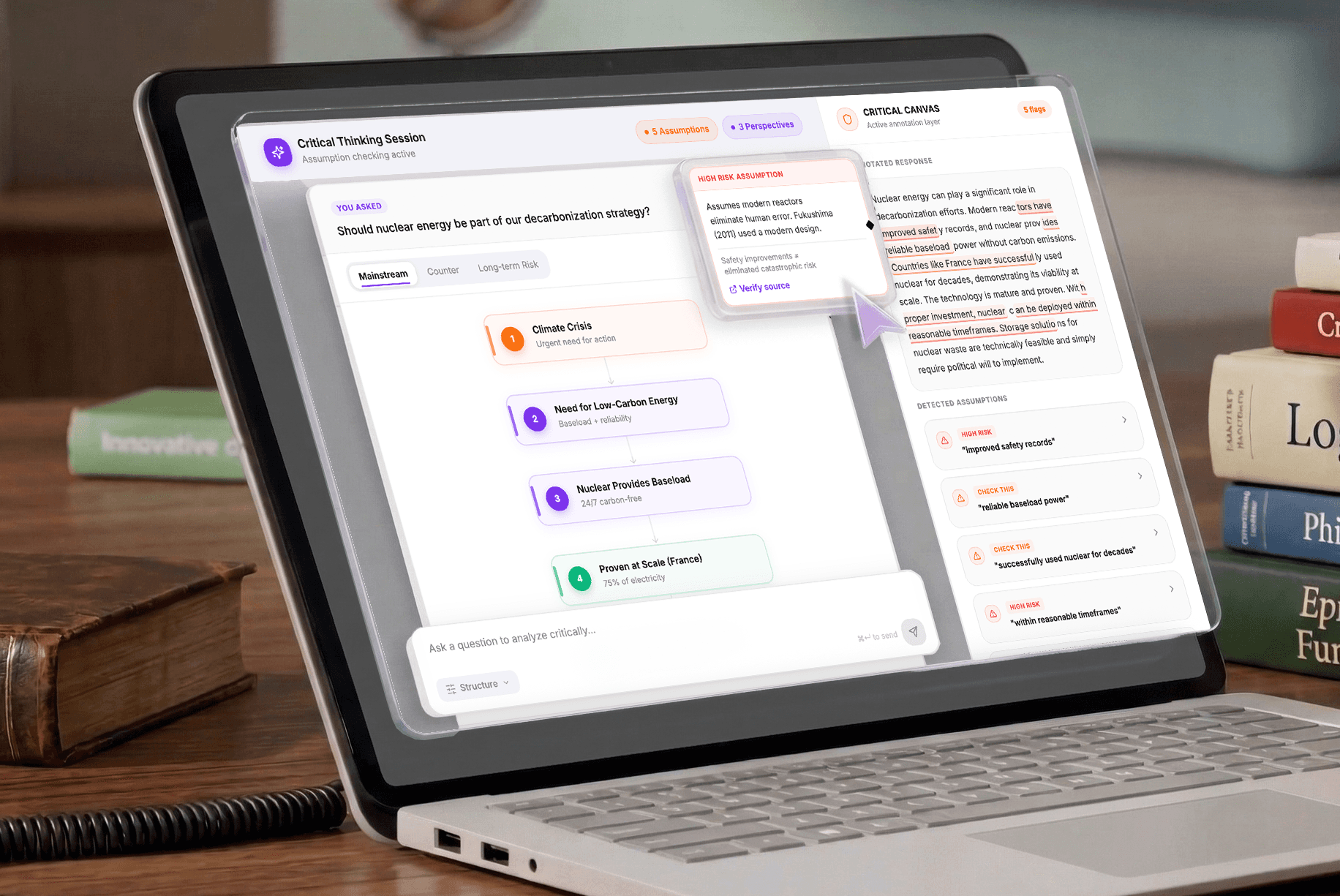
Prominent Assumption Callout
Helped them surface implicit biases
Clarified definitions of key terms

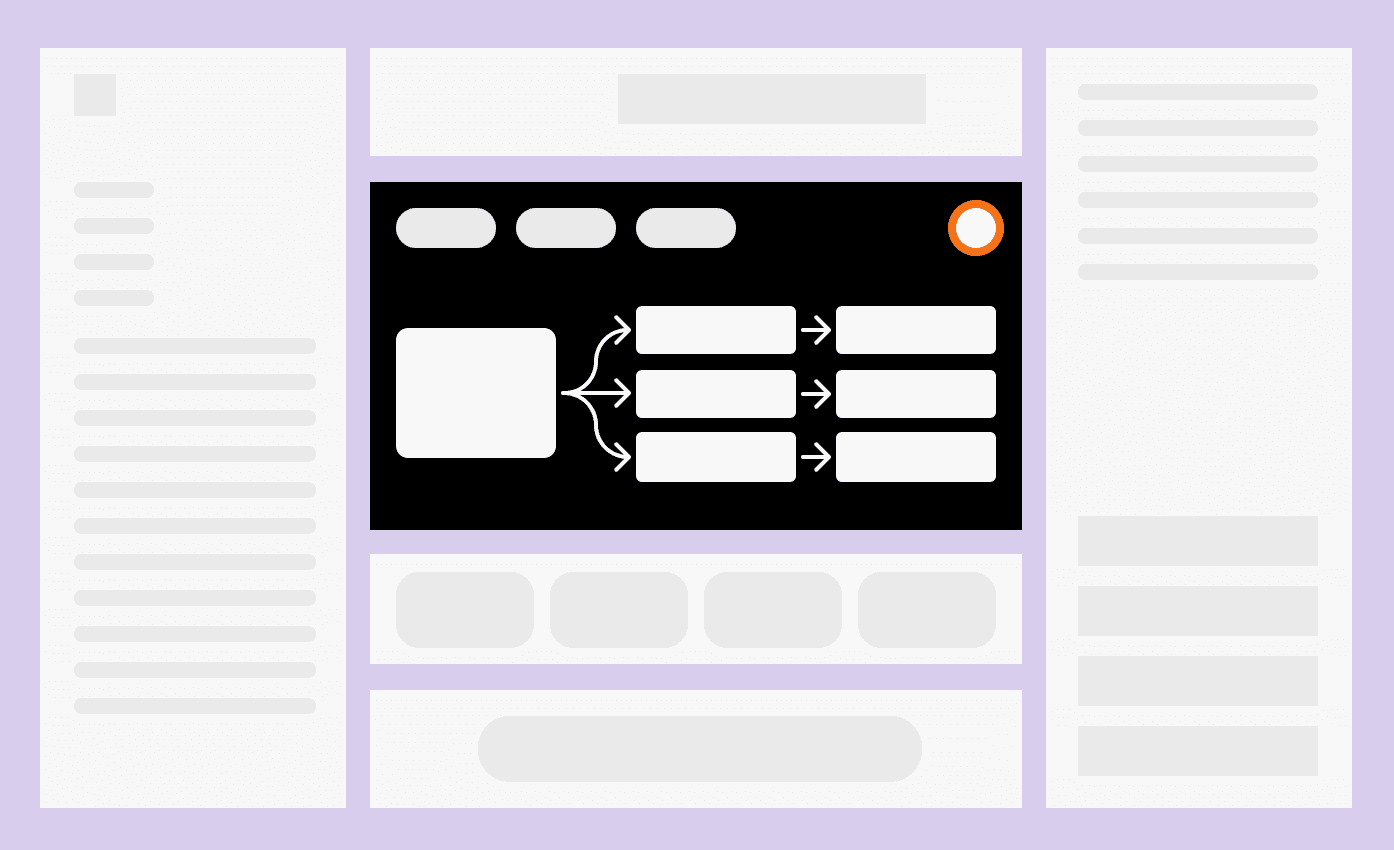
Alt Perspective & Diagram Toggle
Quick Toggle between alternative perspective, context expansion and original answer allows comprehensive view on the subject inquired
Diagram provides an intuitive cognitive break when text causes visual fatigue
Relevant Exploration
Suggested follow-ups enable users to dive deeper into the subject